Eliminate Foot Odor at its Root: Causes, Material Selection, and Washing Tips [The Definitive Guide] - SOCKSLOVER Official
- by AI -ONLABS
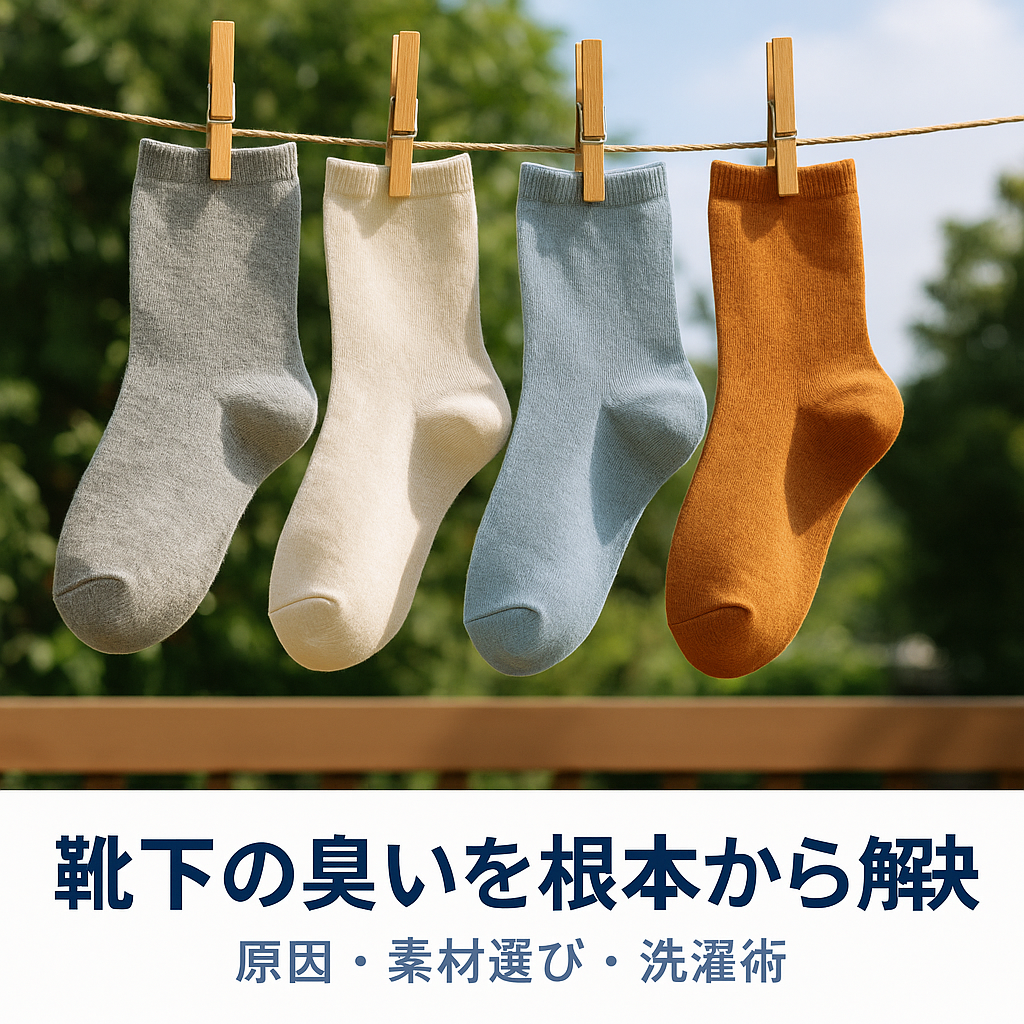
Solve Sock Odor at the Root | Causes, Fabric Choices, Washing Techniques [Preservation Edition]
Say goodbye to "my socks still smell..." starting today. By understanding the causes and mechanisms, and comprehensively reviewing everything from fabric selection and washing to drying and storage, we explain how to prevent odors from returning.
Sock odor occurs when sweat (moisture) × sebum/dead skin cells × bacterial proliferation combine. Washing alone is often insufficient; the quickest way to tackle it is to comprehensively review fabric selection, washing, drying, storage, and shoe care.
1. Sock Odor | Main Causes
| Cause | Common Situations | Key Countermeasures |
|---|---|---|
| Moisture buildup | Prolonged wear, low quick-drying fabrics | Ventilation/quick-drying materials / Increased frequency of changing / Air drying in shade |
| Accumulation of sebum and dead skin cells | Dryness/friction on soles, inadequate washing | Washing inside out / Gentle exfoliation / Moisturizing to reduce friction |
| Bacterial growth | Left damp, insufficient drying | Prompt washing and drying / Rotating socks for rest |
2. How to Choose Fabrics Strong Against Odor
- High cotton blend × breathable design: Thin ribbed or mesh knits that absorb sweat and dry quickly are ideal.
- Wool (especially merino) blend: For everyday use with moisture-wicking and odor-resistant properties.
- Functional fabrics (quick-drying): For sports and commuting to prevent stuffiness.
- Overly thick fabrics depend on the environment: Good in winter, but watch out for stuffiness in heated indoors.
* If you have sensitive skin, try new materials for short periods to test them.
3. 5 Steps to Prevent Odor Recurrence with Washing
- Turn inside out: Thoroughly wash the inside where sweat and sebum accumulate.
- Put in a laundry net: Reduce friction and prevent shape loss and pilling.
- Use neutral detergent: Gentle on fibers while removing sebum.
- Water below 30°C: Prevents odor recurrence, shrinkage, and fading.
- Hang immediately after washing: Do not leave wet (inhibits germ growth).
💡 Tip: Wash dark and light colors separately, and use fabric softener sparingly. On days with strong odors, supplement with oxygen-based bleach as directed.
4. Maintain Cleanliness with Drying and Storage
- Air dry in a shaded, well-ventilated area: Direct sunlight causes fading; indoors, use a window or circulating fan.
- Avoid tumble drying as much as possible: Can cause elasticity loss, shrinkage, and odor recurrence.
- Store by "lightly folding": Rolling them up can stretch the elastic cuffs.
- Rotation: Avoid wearing the same socks or shoes daily.
5. Maintain Shoes and Insoles as a Set
If moisture and sebum remain in your shoes, it can lead to sock odor recurrence. Make drying, dehumidifying, and deodorizing insoles a habit.
- After wearing, let shoes rest overnight with shoe trees or dehumidifiers.
- Remove insoles for ventilation and wiping.
- On rainy days, use newspaper or paper towels to quickly absorb moisture.
Frequently Asked Questions
Should oxygen-based bleach be used every time?
It's not necessary every time. It's recommended to use it supplementally as directed on days when odors are a concern or when stains are severe.
How to deal with stuffiness during work?
Changing socks once during lunch break, choosing breathable and quick-drying materials, and rotating shoes are effective.
Will clothes still smell if air-dried indoors?
By creating airflow and using a circulating fan or dehumidifier, you can prevent odors from returning even when drying clothes indoors.
Recent Posts