A Complete Guide to Measuring and Choosing Sock Sizes [Japanese/US/EU Conversion Chart Included]
"My toes have too much room," "the elastic is too tight around my ankle"...these might be due to incorrect size selection. This guide explains how to choose the right sock size, from correctly measuring your foot length to selecting socks based on age and purpose, including a conversion chart for Japanese, US, and European sizes.
Sock sizing can vary slightly between brands and countries. It's safest to first determine your foot length (the distance from the back of your heel to the tip of your longest toe) and then choose the closest size using a conversion chart. Adjust the fit according to your purpose (commuting, exercise, cold protection).
1. How to Correctly Measure Foot Length (5 Steps)
- Secure paper to the floor: Align the edge of the paper with a wall and secure it with tape so it doesn't move.
- Stand with your heel against the wall: Distribute your weight evenly. Remove your socks and stand barefoot.
- Mark the position of your longest toe: Draw a line at the tip of your longest toe (either your big toe or index toe).
- Measure from the wall to the mark: Use a ruler to measure in "mm" (=foot length).
- Measure both feet and use the longer one: Since there can be a difference between your left and right foot, use the measurement from the longer foot as your standard.
2. Japanese/US/EU Size Conversion Chart
There may be variations depending on the brand. Please use this as a guideline (for half sizes, adjust up or down based on your preferred fit).
| Japan (cm) | US (Men/Women) | EU | Approximate Sock Size (General) |
|---|---|---|---|
| 22.0–24.0 | US W5–7 | EU 35–37 | Women's S–M / Unisex S |
| 24.5–26.0 | US M6–8 / W7.5–9.5 | EU 38–41 | Unisex M / Men's S–M |
| 26.5–28.0 | US M8.5–10 | EU 42–44 | Unisex L / Men's M–L |
| 28.5–30.0 | US M10.5–12 | EU 45–46 | Men's L–XL |
※ Sports/compression types may have a slightly tighter fit (adjust according to purpose).
3. How to Choose Socks by Age and Purpose
Kids
- Since children grow quickly, choose a slightly larger size. Ribbed cuffs are recommended to prevent slipping.
- Socks with heel markers are convenient for school or physical education.
Women's
- For pumps and loafers, thin socks with non-slip inner features are comfortable.
- For cold weather, consider wool blend/double-knit; for swelling, consider light compression.
Men's
- For business, thin crew socks with reinforced heels and toes last longer.
- For sports, sweat-wicking and quick-drying + arch support are ideal.
Sports/Outdoor
- Running/Gym: Thin to medium-thick quick-drying mesh + arch support
- Hiking: Medium to thick merino wool blend + essential to check compatibility with shoes
4. Relationship Between Sock Length (Ankle/Crew/Knee-High) and Size
- Ankle length: Popular for sneakers. For low-cut shoes, use ones with non-slip features.
- Crew length: Most versatile. The tightness at the calf changes, so check the cuff design carefully.
- Knee-high socks: For warmth and compression. If your calves are thicker, consider sizing up.


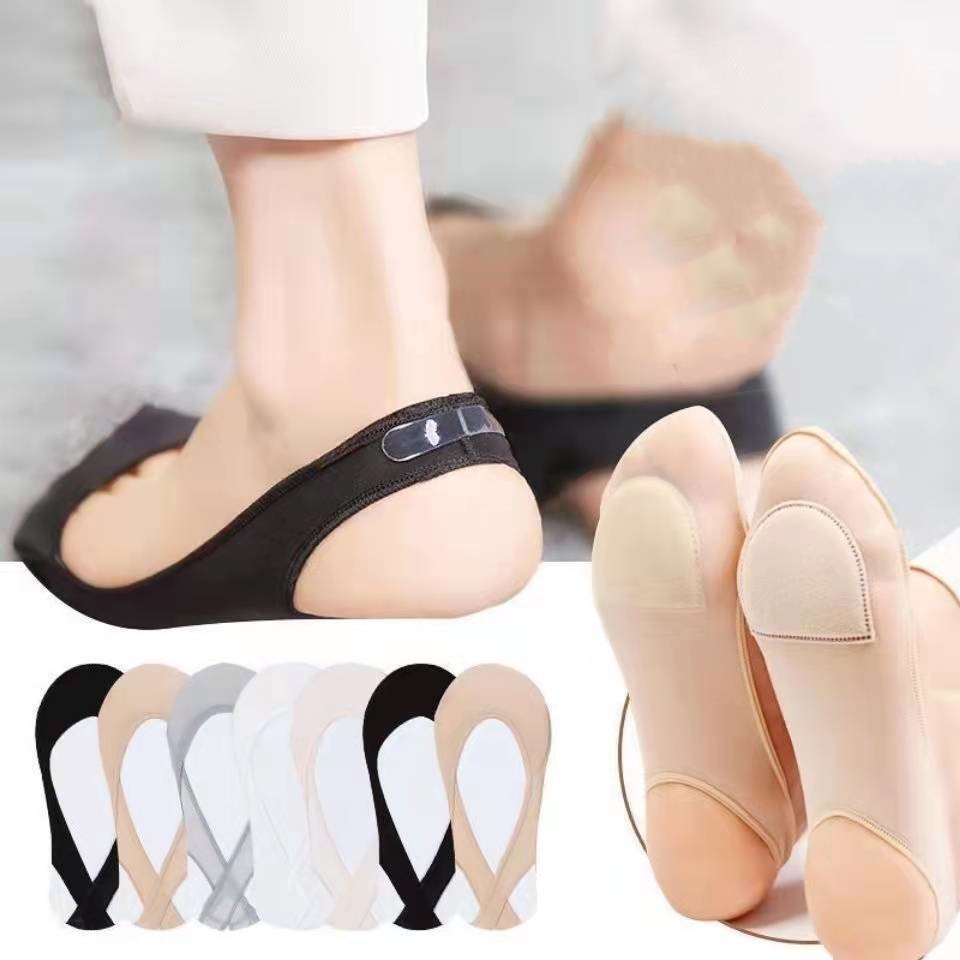
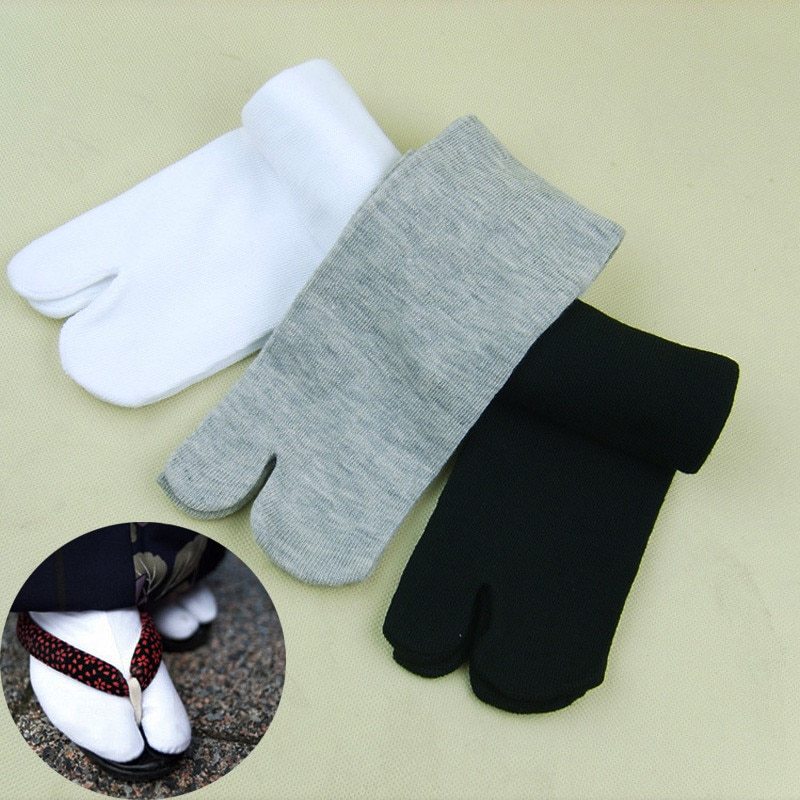
![[Set Product and Single Item] Daily Basic_Women's Thin, Shallow-Cut, Border Invisible Socks for Spring, Summer, and Autumn (10 Pairs/1 Pair)](http://sockslover.net/cdn/shop/files/1618305782188.jpg?v=1759748415&width=800)
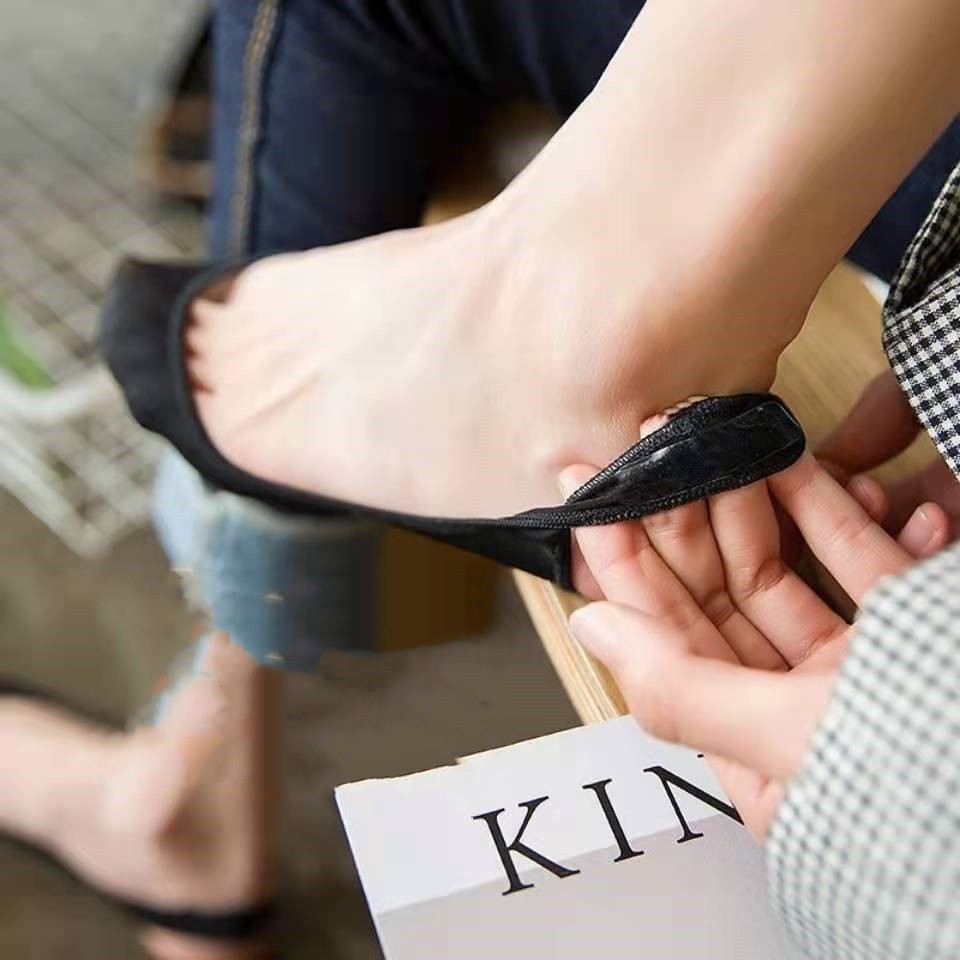
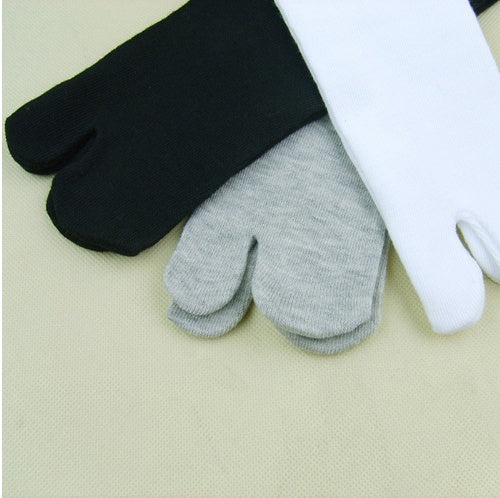
![[Set Product and Single Item] Daily Basic_Women's Thin, Shallow-Cut, Border Invisible Socks for Spring, Summer, and Autumn (10 Pairs/1 Pair)](http://sockslover.net/cdn/shop/files/1618305849945.jpg?v=1759748417&width=800)
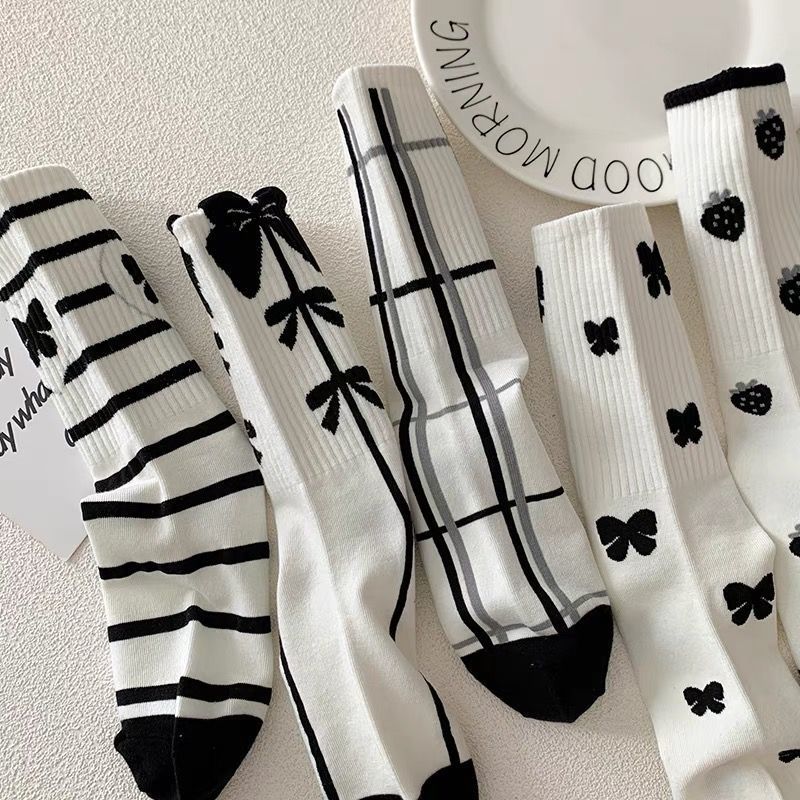
![[Set Products and Individual Products] Women's Fleece-Lined Padded Warm Snow Socks Tube Type for Winter (10 Pairs/5 Pairs/1 Pair)](http://sockslover.net/cdn/shop/files/f245f963-bc77-4985-9bf6-551c62f9d105.jpg?v=1759749323&width=800)
![[Set Products and Individual Products] Women's Fleece-Lined Padded Warm Snow Socks Tube Type for Winter (10 Pairs/5 Pairs/1 Pair)](http://sockslover.net/cdn/shop/files/83200ffb-c5e0-46e0-9d81-7882276543ca.jpg?v=1759749325&width=800)